
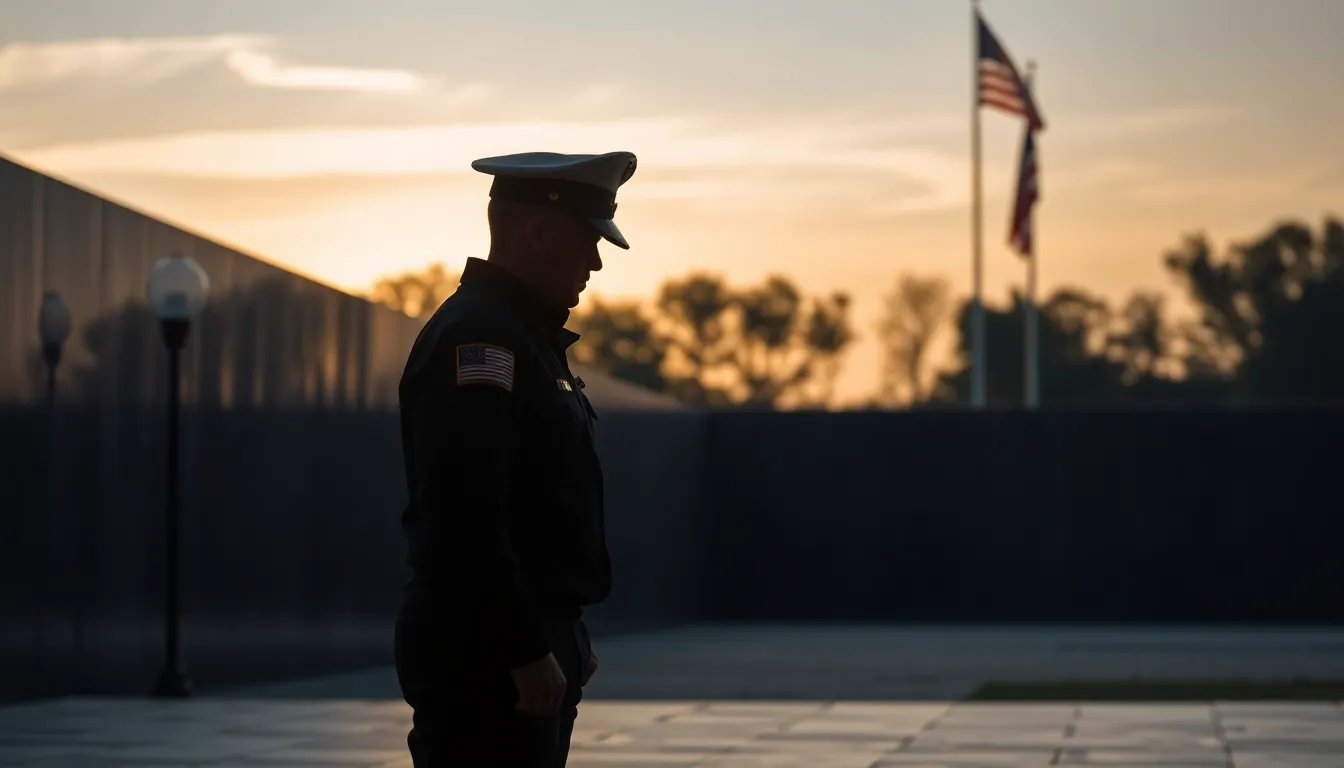
The connection between military service and PTSD is well-documented — but often oversimplified. Not every veteran has PTSD, and PTSD doesn’t affect every veteran the same way. Understanding the actual data, the unique risk factors of military service, and the treatment landscape helps move the conversation beyond stereotypes and toward effective support.
PTSD statistics in the United States show that approximately 6% of the general population will experience PTSD at some point in their lives. For veterans, that number is higher — but the specifics vary dramatically by service era, branch, combat exposure, and individual factors.
This guide examines the connection between military service and PTSD through the lens of data and research, covers what the VA offers for treatment, and provides practical guidance for veterans and those who support them.
PTSD in the Military: The Numbers
The VA’s National Center for PTSD provides the most comprehensive data on veteran PTSD prevalence (VA NCPTSD, 2025):
Lifetime PTSD prevalence in veterans: 7% overall — slightly higher than the 6% civilian rate. But this average masks wide variation by era and experience.
By service era:
- Vietnam veterans: Approximately 30% experienced PTSD at some point in their lives. The National Vietnam Veterans Readjustment Study (NVVRS) found that 15% still had PTSD decades after the war
- Gulf War (Desert Storm) veterans: About 12% developed PTSD
- Operations Enduring Freedom and Iraqi Freedom (OEF/OIF): Between 11% and 20% in a given year, with higher rates among those with combat exposure, multiple deployments, or traumatic brain injury
- Sexual trauma survivors: Military sexual trauma (MST) is a significant PTSD risk factor regardless of era. Both men and women who experience MST have elevated PTSD rates
VA utilization data: Among veterans who use VA healthcare, the prevalence of PTSD is 23% — three times the overall veteran rate of 7%. This reflects that veterans with PTSD are more likely to seek VA care, not that VA users are more prone to PTSD (VA NCPTSD, 2025).
Veterans mental health statistics across all conditions show that PTSD is one of the most common diagnoses among VA healthcare users, alongside depression, substance use disorders, and anxiety.
Why Combat Veterans Face Higher PTSD Rates
Military service, particularly combat deployment, involves exposure to traumatic experiences at rates far exceeding civilian life:
Direct combat exposure. Firing a weapon at another person, being fired upon, witnessing death, handling human remains, killing in combat — these experiences are intrinsically traumatic and unique to military service.
Moral injury. Situations where service members are required to act in ways that conflict with their moral beliefs — harming civilians, following orders they consider wrong, being unable to save someone — create a distinct form of psychological damage that overlaps with but is distinct from PTSD.
Blast exposure and TBI. Improvised explosive devices (IEDs) in Iraq and Afghanistan caused unprecedented rates of traumatic brain injury. TBI and PTSD frequently co-occur, and blast exposure may independently increase PTSD vulnerability through neurological damage.
Prolonged threat environments. Unlike civilian trauma, which is typically a discrete event, combat deployment means living in a threat environment for months. The brain adapts to constant danger — and then has difficulty readapting to safety. This “can’t turn it off” experience is central to veteran PTSD.
Multiple deployments. Research consistently shows that PTSD risk increases with each deployment. Service members with 3+ deployments have significantly higher rates than those with one.
Military sexual trauma. MST affects both men and women. The VA reports that approximately 1 in 3 women and 1 in 50 men treated at VA report MST. PTSD resulting from MST can be particularly complex because the perpetrator was often a trusted colleague.
Youth at exposure. Many service members are 18–22 during their first deployment — an age when the brain’s stress-response systems are still developing. Early-career trauma during this developmental window may produce more persistent effects.
PTSD Across Service Eras: Vietnam to Afghanistan
Each conflict has produced distinct PTSD patterns:
Vietnam (1955–1975)
- Highest lifetime PTSD rates of any era (~30%)
- Factors: intense combat, ambiguous enemy, hostile homecoming reception, lack of transition support, Agent Orange exposure
- Many veterans went decades without diagnosis or treatment
- The concept of PTSD itself was not formally recognized until 1980 — years after most Vietnam veterans had returned
Gulf War / Desert Storm (1990–1991)
- Lifetime PTSD rates of approximately 12%
- Shorter deployment with decisive military victory
- However, exposure to oil well fires, depleted uranium, and chemical/biological threats created unique stressors
- Gulf War Illness — a cluster of chronic symptoms — overlaps with PTSD symptoms in many veterans
OEF/OIF/OND — Afghanistan and Iraq (2001–2021)
- Current PTSD rates: 11–20% in any given year
- Factors: IEDs (blast injuries), counterinsurgency warfare, multiple deployments, extended tours
- Better screening and reduced stigma compared to previous eras
- Higher survival rates from severe injuries (thanks to improved body armor and medical care) — meaning more veterans survive events that would have been fatal in previous wars, but survive with PTSD and TBI
Post-9/11 era trends
The post-9/11 generation has benefited from improved understanding of PTSD and expanded VA services. However, APA research from 2025 found that approximately 26% of service members and veterans drop out of PTSD therapy before completing treatment, with trauma-focused treatments seeing the highest dropout rates (APA, 2025). Addressing this retention challenge is a current priority.
The Unique Challenges of Military PTSD
Several factors make PTSD in veterans distinct from civilian PTSD:
Military culture and stoicism. Military training emphasizes emotional control, mission focus, and strength. While valuable in combat, this conditioning creates barriers to acknowledging vulnerability and seeking help. Many veterans internalize the message that PTSD is weakness.
Identity disruption. For career service members, military identity is core to who they are. The transition to civilian life — losing structure, rank, purpose, and community — can trigger or worsen PTSD symptoms. Retirement or medical separation can feel like a second loss.
Hypervigilance as a trained response. In combat, hypervigilance keeps you alive. In civilian life, it becomes a symptom — scanning parking lots for threats, sitting with your back to the wall, inability to relax in crowds. The challenge: the veteran’s survival brain doesn’t distinguish between Iraq and the grocery store.
Sleep disruption. Combat operations involve irregular sleep, sleep deprivation, and the need to be instantly alert. Many veterans continue this pattern long after deployment, contributing to chronic insomnia that reinforces PTSD symptoms.
Co-occurring conditions. Veteran PTSD rarely exists in isolation. Substance use is a common co-occurring condition — alcohol and drugs become coping mechanisms for symptoms that feel unmanageable. Depression, anxiety, chronic pain, and TBI frequently co-occur, creating treatment complexity. First responders face similar PTSD rates to veterans, driven by comparable patterns of repeated trauma exposure and hypervigilance.
VA Treatment Programs and What’s Available
The VA operates the largest PTSD treatment system in the world. Every VA medical center has PTSD specialists, and many offer specialized programs:
Evidence-based psychotherapies:
- Cognitive Processing Therapy (CPT): 12-session protocol that helps veterans examine and change unhelpful beliefs about the trauma
- Prolonged Exposure (PE): Gradually confronting trauma memories and avoided situations to reduce their power
- Eye Movement Desensitization and Reprocessing (EMDR): Using bilateral stimulation to help the brain reprocess traumatic memories
For a detailed comparison of these therapies, see our guide on PTSD treatment options.
Medication options:
- Sertraline (Zoloft) and paroxetine (Paxil) are FDA-approved specifically for PTSD
- Prazosin is sometimes used for PTSD-related nightmares
- The VA recommends against benzodiazepines for PTSD
Specialized programs:
- Residential PTSD programs: Intensive 7–8 week inpatient programs at select VA medical centers for veterans who need immersive treatment
- PTSD Clinical Teams (PCTs): Outpatient specialty teams at every VA medical center
- Vet Centers: Community-based readjustment counseling centers (over 300 nationwide) that provide free individual and group counseling in a non-VA setting
- Telehealth: VA PTSD treatment is available via video, expanding access for rural veterans
- Mobile apps: PTSD Coach (free app developed by VA) provides self-management tools, psychoeducation, and crisis support
Eligibility: Any veteran who experienced trauma during military service can receive PTSD screening and treatment through the VA — regardless of discharge status, service-connected disability rating, or whether they’ve previously enrolled in VA care.
Barriers to Treatment: Stigma and Access
Despite expanded services, many veterans with PTSD never seek treatment:
Stigma within military culture. Fear of being seen as weak, concern about career impact (for active duty), and internalized beliefs about “toughening up” remain powerful barriers. Younger veterans show slightly less stigma than older generations, but the cultural shift is incomplete.
Geographic access. Rural veterans — who make up a disproportionate share of the veteran population — may live hours from the nearest VA medical center or Vet Center. Telehealth has helped but doesn’t reach everyone.
Wait times. Some VA facilities have wait times for mental health appointments. While the VA has invested heavily in reducing these, they remain an issue at high-demand locations.
Complexity of the VA system. Navigating VA benefits, eligibility, and enrollment can be daunting. Many veterans don’t know what they’re entitled to or how to access it.
Distrust of the system. Some veterans have had negative experiences with VA care — feeling rushed, dismissed, or given medication without psychotherapy. These experiences create reluctance to try again.
What’s helping: Peer support programs — where veterans who have successfully completed PTSD treatment support those just beginning — show strong evidence for improving treatment engagement and retention. The shared military experience creates trust that traditional clinical settings may not.
Supporting a Veteran With PTSD
If someone you care about is a veteran with PTSD:
Educate yourself. Understanding PTSD symptoms — hypervigilance, nightmares, emotional withdrawal, anger, avoidance — helps you recognize them as symptoms of injury, not personal rejection.
Don’t push, but don’t disappear. Veterans with PTSD may push people away. Stay present without forcing engagement. “I’m here when you’re ready” is powerful.
Encourage treatment without ultimatums. Share information about VA resources and evidence-based treatments. Offer to help make the call or attend the first appointment. But avoid framing treatment as a requirement for the relationship — that tends to increase avoidance.
Take care of yourself. Secondary traumatic stress — the toll of living with someone who has PTSD — is real. NAMI Family-to-Family programs and VA caregiver support services exist specifically for family members.
Learn the warning signs of crisis. Increased substance use, social withdrawal, giving away possessions, or talk of being a burden can signal suicidal ideation. The Veterans Crisis Line (988, press 1) is available 24/7.
Frequently Asked Questions
How common is PTSD in veterans compared to civilians?
The overall lifetime PTSD rate for veterans is approximately 7%, compared to 6% for the general population. However, this average obscures significant variation. Veterans with combat exposure, multiple deployments, or military sexual trauma have substantially higher rates — up to 30% for Vietnam combat veterans. Among veterans who use VA healthcare, the PTSD prevalence is 23%.
Can you get VA treatment for PTSD without a service-connected disability rating?
Yes. Any veteran who experienced trauma during military service can receive PTSD screening and treatment through the VA, regardless of disability rating or enrollment status. You do not need a service-connected rating, combat experience, or previous VA enrollment. Vet Centers (community-based, separate from VA medical centers) also provide free counseling for any veteran who served in a combat theater or experienced military sexual trauma.
What is the most effective treatment for veteran PTSD?
The VA and APA both recommend trauma-focused psychotherapies — specifically Cognitive Processing Therapy (CPT), Prolonged Exposure (PE), and EMDR — as the most effective treatments. These typically involve 8–16 sessions and produce significant symptom reduction in the majority of patients. The NIMH-funded STEP-BD study showed that combining psychotherapy with medication produces better outcomes than medication alone.
Why do some veterans resist getting help for PTSD?
Military culture emphasizes strength, self-reliance, and emotional control — qualities that conflict with seeking mental health help. Common barriers include fear of being seen as weak, concern about career impact, belief that they should be able to handle it alone, negative prior experiences with VA care, and the avoidance that is itself a core PTSD symptom. Peer support from other veterans who have completed treatment is one of the most effective ways to overcome these barriers.
Does PTSD get worse over time if untreated?
In many cases, yes. Untreated PTSD can intensify over time as avoidance behaviors expand, co-occurring conditions like depression and substance use develop, and relationships deteriorate. Some veterans experience a delayed onset of PTSD symptoms, where symptoms don’t fully emerge until years after service — often triggered by retirement, loss, or other life transitions. Early treatment consistently produces better outcomes than waiting.
Sources
-
VA National Center for PTSD. How common is PTSD in veterans? U.S. Department of Veterans Affairs; 2025. https://www.ptsd.va.gov/understand/common/common_veterans.asp
-
VA National Center for PTSD. Epidemiology and impact of PTSD. U.S. Department of Veterans Affairs; 2025. https://www.ptsd.va.gov/professional/treat/essentials/epidemiology.asp
-
VA Office of Research and Development. Posttraumatic stress disorder (PTSD) research. VA Research; 2025. https://www.research.va.gov/topics/ptsd.cfm
-
American Psychological Association. Not all PTSD therapies keep veterans in treatment, study warns. APA; November 2025. https://www.apa.org/news/press/releases/2025/11/ptsd-therapies-veterans-treatment
-
American Psychological Association. Treatments for PTSD — clinical practice guideline. APA; 2025. https://www.apa.org/ptsd-guideline/treatments
-
National Institute of Mental Health. Depression. NIMH; Revised 2024. https://www.nimh.nih.gov/health/publications/depression
-
Substance Abuse and Mental Health Services Administration. Mental health treatment — how does it work? SAMHSA; 2024. https://www.samhsa.gov/mental-health/serious-mental-illness/treatment-works
-
VA National Center for PTSD. PTSD treatment basics. U.S. Department of Veterans Affairs; Updated September 2025. https://www.ptsd.va.gov/understand_tx/tx_basics.asp